A History of Gold in Nepal: From Ancient Times to the Modern Era
A History of Gold in Nepal
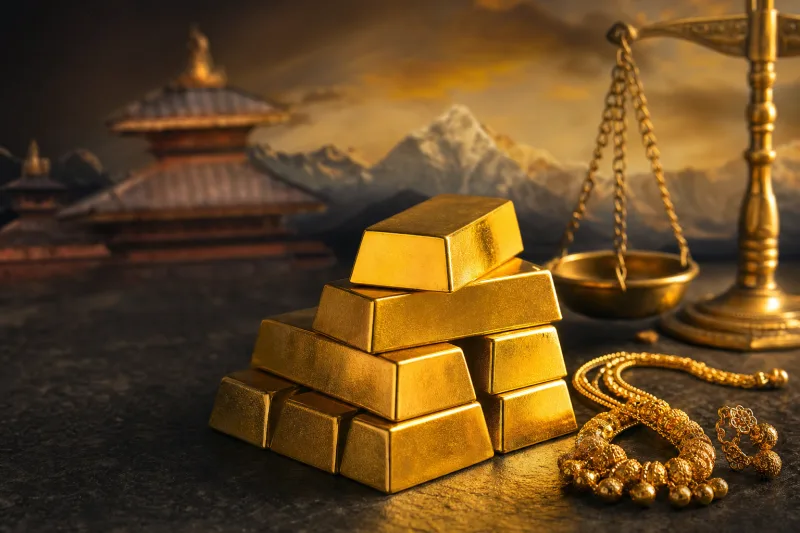
Gold has played a significant role in Nepal's history, culture, and economy for centuries. More than just a precious metal, gold symbolizes prosperity, wealth, tradition, and spiritual significance in Nepali society. From ancient gold coins to modern gold reserves, Nepal's relationship with gold continues to evolve while maintaining its cultural importance.
Gold in Ancient Nepal
Historical evidence suggests that gold has been used in Nepal for over two thousand years. Archaeological discoveries of Kushan and Licchavi-era coins indicate that gold was valued not only for its beauty but also as a medium of exchange and a store of wealth.
During these early periods, gold coins were used in trade and represented prestige and economic strength. These ancient coins remain among the earliest known forms of currency used in Nepal.
The Golden Era of the Malla Dynasty
The Malla Period (12th - 18th Century) marked a significant advancement in Nepal's monetary system. Malla kings introduced organized coinage and minted gold, silver, and copper coins to facilitate trade and commerce.
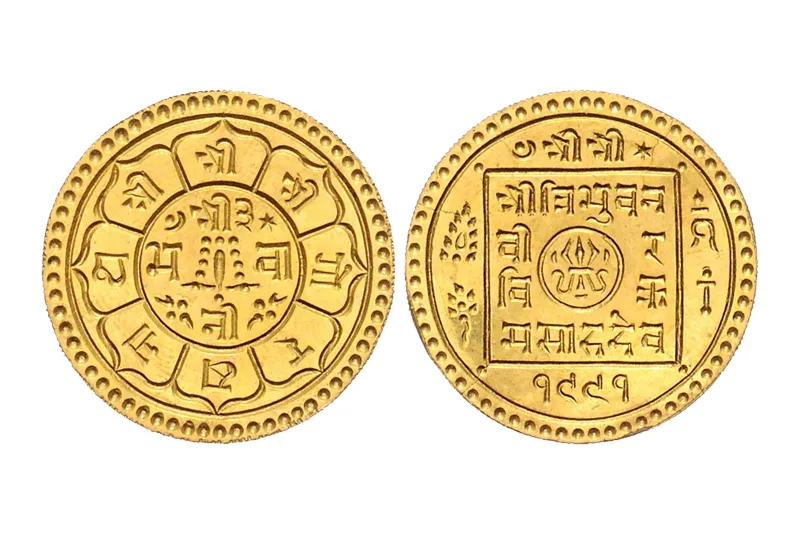
Among the most notable coins of this era were the gold Mohars, which became symbols of wealth and royal authority. Gold coins were widely respected and used for important transactions, religious offerings, and wealth preservation.
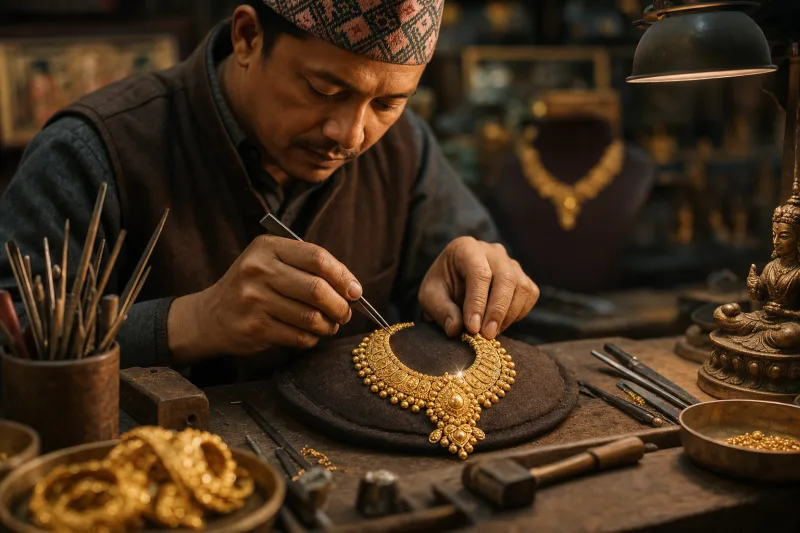
The Malla rulers also contributed to Nepal's artistic heritage by incorporating gold into temples, palaces, statues, and sacred ornaments, many of which still exist today.
Natural Sources of Gold in Nepal
Nepal's gold deposits are primarily associated with the Himalayan region. Over thousands of years, erosion of gold-bearing rocks has carried fine gold particles into river systems across the country.
Several rivers are known for placer gold deposits, including:
- Kali Gandaki River
- Karnali River
- Sunkoshi River
- Bheri River
- Mahakali River
For generations, local communities have practiced traditional gold panning, carefully collecting tiny gold particles from riverbeds. Although Nepal's gold production remains limited, this practice continues in some regions today.
The Mohar: Nepal's Historic Gold Coin
The Mohar holds a special place in Nepal's monetary history. Introduced during the medieval period and widely used for centuries, Mohars were minted in both gold and silver.
These coins served as a reliable form of currency and reflected the economic prosperity of various ruling dynasties. The Mohar remained Nepal's principal currency until the early 20th century.
Introduction of the Nepali Rupee
In 1932, Nepal officially adopted the Nepali Rupee, replacing the Mohar currency system. This transition marked a major modernization of Nepal's financial structure.
While gold was no longer used as everyday currency, it retained its status as a valuable investment asset and a symbol of wealth.
Nepal Rastra Bank and Gold Reserves
Since its establishment in 1956, Nepal Rastra Bank has maintained gold reserves as part of the nation's financial assets. Gold reserves help strengthen economic stability, support confidence in the financial system, and serve as a safeguard during periods of economic uncertainty.
Today, gold remains an important component of Nepal's reserve management strategy.
Gold in Nepali Culture and Tradition
Gold is deeply embedded in Nepali culture and traditions. It is an essential part of major festivals, weddings, religious ceremonies, and family celebrations.
Some of the most common cultural uses of gold include:
- Wedding jewelry and dowry traditions
- Religious ornaments and temple decorations
- Gifts during festivals such as Dashain and Tihar
- Long-term savings and investment
In Nepali society, gold represents prosperity, good fortune, success, and family heritage.
Gold in Modern Nepal
Today, gold continues to be one of the most trusted investment assets among Nepalis. Whether purchased as jewelry, coins, bars, or digital investments, gold remains a preferred option for preserving wealth and protecting against inflation.
As gold prices fluctuate daily, staying informed about the latest market trends is essential for investors and consumers alike.
Stay Updated with GoldNepal.com
GoldNepal.com provides reliable and up-to-date information on gold and silver prices in Nepal, including rates per tola, gram, ana, and lal. Whether you are buying, selling, investing, or simply tracking market trends, GoldNepal.com helps you make informed decisions with confidence.
Follow GoldNepal.com for daily gold and silver price updates, market insights, investment tips, and the latest news from Nepal's precious metals market.